
For centuries, people have believed in the power of certain stones to hold magical or spiritual energy. Among the most cherished of these are wishing stones, also known as wish stones or wish rocks. These naturally beautiful stones aren't just eye-catching—they're packed with symbolism, history, and personal meaning. Whether you're a rockhound, a spiritual seeker, or just someone curious about nature's wonders, the story of the wishing stone will probably fascinate you as much as it has countless others around the world.
What Are Wishing Stones?
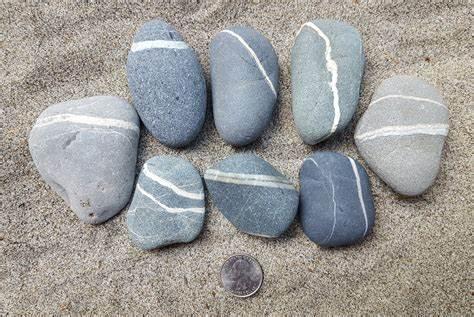
A wishing stone, sometimes called a wish stone or wish rock, is a special type of stone that people believe can grant a wish or bring good luck. The most traditional version of a wishing stone is a rock with a single, continuous stripe running all the way around it. These are sometimes called "rocks with stripes." The stripe often comes from a vein of quartz, calcite, or another mineral cutting through the main rock.
Some people say that if you find a stone with an unbroken stripe and make a wish while holding it, that wish might come true. The more naturally beautiful and unaltered the stone is, the more potent its power is believed to be. But the real magic of the wishing stone might not be about actual magic at all—it may simply come from the hope, focus, and intention you place on your wish.
The Geology Behind the Stripe
The white line that makes a wishing stone a wishing stone has a very real geological story. At some point in the rock's history, it cracked. Mineral-rich water seeped into that fracture and, over a very long time, deposited quartz or calcite inside it. The crack healed into a solid vein of lighter mineral—usually white against a darker host rock like basalt, granite, or slate.
Later, glaciers, rivers, or ocean waves broke that rock free, tumbled it, and rounded it smooth. If the original vein cut all the way through the rock, the polished pebble ends up with a stripe that wraps around it completely—the unbroken ring that tradition says holds the wish.
That's also why wishing stones cluster where they do: you need old, fractured bedrock, a source of vein-forming fluids, and moving water to do the polishing. Cobble beaches, glacial shorelines, and river gravel bars check all three boxes.
A quick way to tell what your stripe is made of: quartz is glassy and hard—it won't scratch with a steel knife—while calcite is softer and scratches easily. Both make classic wishing stones; quartz veins survive tumbling better, which is why most of the striped pebbles you find on a beach are quartz-veined.
The History and Legends of Wishing Stones
The idea of wishing stones dates back to ancient times. In many cultures around the world, stones have been believed to hold spiritual power. In Celtic folklore, certain stones were said to be gifts from the fairies or the gods. People would leave small, shiny rocks at sacred sites or in rivers as offerings for blessings.
The Greeks believed in the concept of omens found in nature, including stones that looked different or had unusual markings. A rock with a stripe was seen as a sign—a path or journey made visible. In Chinese culture, stones have long been associated with balance, harmony, and healing.
Across coastal Europe and parts of the United Kingdom, the idea of finding a striped stone on the beach and using it to make a wish has been a folk tradition for hundreds of years. People would hold onto these stones as charms, give them as gifts to loved ones, or toss them into the sea while whispering a secret hope.
The "rules" of the tradition vary from place to place, which is part of its charm. In some versions, the stripe must be a single, unbroken line with no branches or breaks, or the stone won't work. In others, you make your wish and then throw the stone back into the water—keeping it keeps the wish from coming true. A gentler variant says that if you give a wishing stone to someone else, your own wish is granted along with theirs. Families who beachcomb together often pass down their own version of the rules, and none of them is more "correct" than another.
The Symbolism and Spiritual Meaning of Wishing Stones
Wishing stones mean different things to different people, but certain themes show up again and again. These stones often symbolize:
- Hope and new beginnings
- The power of intention
- Spiritual guidance or protection
- A connection to nature
Because of their unique appearance, the wishing stones are seen as nature's way of catching your attention. Some believe the stripe represents a journey, with the stone serving as a guide or a reminder that we all walk unique paths. Others use wish rocks during meditation or spiritual practices, holding the stone while visualizing a goal, dream, or personal transformation.
RELATED READ: What Are Hag Stones? Everything You Need to Know About Hag Stones
Popular Gemstones and Rocks Believed to Be Wishing Stones
While any rock with a stripe might be considered a wishing stone, certain types of stones are especially popular because of their beauty or symbolism.
Quartz with Inclusions: Clear or milky quartz that has other minerals trapped inside can resemble the classic wish stone. These are believed to boost clarity and intention.
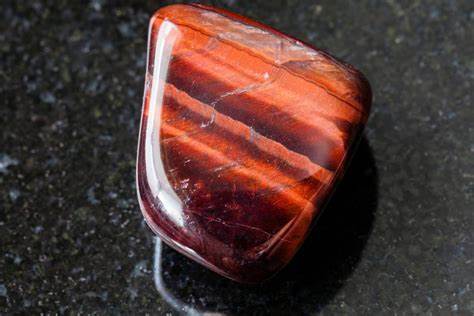
Tiger's Eye: This golden-brown striped stone is known for bringing courage, luck, and mental focus.
Moonstone: Often associated with wishes related to love or emotional healing, moonstone glows softly and is believed to connect to the energy of the moon.
Banded Agate or Chalcedony: These stones often feature beautiful, natural stripes and are thought to balance emotions and protect travelers.
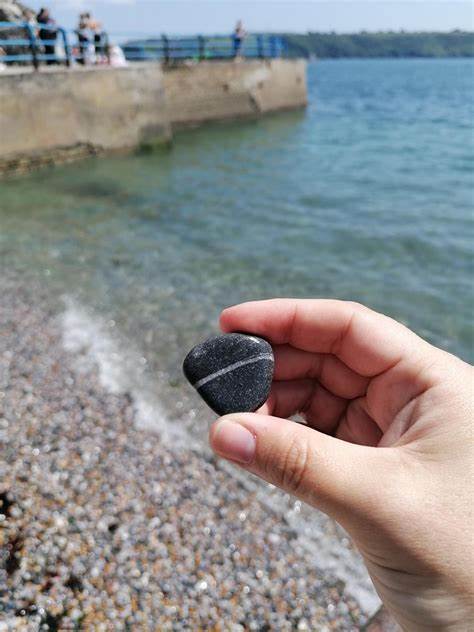
Beach Stones: Smooth stones found along riverbeds and seashores often have natural stripes and are considered perfect wishing stones in many cultures. People refer to these simply as wish rocks or wish stones.
How to Use a Wishing Stone
There's no one "right" way to use a wishing stone. What matters most is your intention and your connection to the stone. Some people believe that you should:
- Hold the stone and close your eyes while making your wish. Speak it aloud or think it quietly in your mind.
- Carry the stone with you in your pocket or bag as a reminder of your wish.
- Place it under your pillow to invite dreams and insights related to your wish.
- Toss it into water (like a lake or river) as a symbolic release of your wish to the universe.
Others might use the stone in rituals, meditation, or prayer. Some even write their wish on paper and store it with the stone. The key is that the stone becomes a physical symbol of your hope, which can help you stay focused on your goal.
Where to Find Wishing Stones
If you're wondering where you can find a wishing stone for yourself, the good news is that they can be found in many places around the world. The best environments to search for rocks with stripes include beaches, riverbanks, creeks, and rocky trails.
In the United States, a few regions stand out—each one for the same geological reasons: fractured, vein-filled bedrock plus water that has had time to tumble the pieces smooth.
Lake Superior and the Great Lakes Shores
This may be the single best wishing stone territory in the country. The dark basalt of the Lake Superior shore is shot through with white quartz veins, and glaciers plus wave action have spent thousands of years rounding the fragments into smooth cobbles. Walk the North Shore in Minnesota or the beaches of Michigan's Upper Peninsula and you'll see striped pebbles in nearly every stretch of gravel. Browse our Minnesota and Michigan rockhounding maps for shoreline collecting areas.
The Oregon and Washington Coast
The Pacific Northwest's gravel beaches are famous for agates, and the same wave-tumbled gravel beds turn up quartz-veined basalt wishing stones. Winter storms replenish the gravel every year, so the hunting resets each season. Start with our Oregon and Washington rockhounding maps.
New England Cobble Beaches
Maine's cobble beaches are built from ancient, heavily veined metamorphic rock rounded by the North Atlantic—classic wishing stone material, with dark slate and granite pebbles carrying crisp white quartz lines. See our Maine rockhounding map for coastal collecting spots.
California Creeks and Rivers
Gold country creeks cut through quartz-veined bedrock—the same veins that carried the gold—so gravel bars in the Sierra foothills are full of striped, water-polished stones. Explore our California rockhounding map for creek and river locations.
The Desert Southwest
Arizona and New Mexico's washes and gravel benches hold quartz-rich rock in abundance. Desert stones are rougher than beach stones—wind and flash floods polish more slowly than surf—but the stripe patterns can be striking. Check our Arizona and New Mexico rockhounding maps.
Always remember to follow local rockhounding rules. In national parks, for example, it is illegal to collect rocks. But on public beaches, BLM lands, and designated rockhounding areas, collecting a few small stones is often allowed. Some state parks also prohibit collecting, so check the rules for the specific beach or trail you're visiting. Be respectful of nature and only take what you truly feel connected to.
How to Identify Your Own Wishing Stone
You don't have to buy a fancy gemstone to enjoy the magic of a wish stone. In fact, many people say the best ones are the ones you find yourself. When you're out in nature, keep your eyes open for:
- A stone with a clear, unbroken stripe running around it
- A rock that seems to "call" to you or stands out from the rest
- Smooth stones, often polished naturally by water
Once you find one, you can clean it with water and a toothbrush. Some people like to polish their wishing stones further using sandpaper or a rock tumbler, but many prefer to leave them just the way they were found.
Do Wishing Stones Really Work?
Whether or not a wishing stone actually grants your wish depends a lot on what you believe. From a scientific point of view, there's no proof that stones have magical powers. But there is strong evidence that setting goals, visualizing outcomes, and having rituals can improve mental focus and emotional well-being.
Holding a wishing stone while you think about something important can help you center your thoughts. Giving one to a friend can be a sweet and meaningful gesture. And when you keep a wish rock nearby, it might just help you stay connected to your dream.
So maybe the real power of wishing stones isn't in the rock itself, but in the way it helps you believe in something better—and take small steps toward it.
Final Thoughts: The Magic of Meaningful Stones
The next time you're out for a walk along a beach, beside a creek, or on a forest trail, keep your eyes open. That small rock with a white stripe might be more than just a pretty pebble—it could be your next wishing stone.
Whether you're a seasoned rockhound or just someone who enjoys the stories that nature tells, wish rocks are a beautiful way to connect to the earth, to history, and to your own inner world of hopes and dreams.
After all, we could all use a little more magic in our lives. And sometimes, that magic comes in the form of a small stone, carried in your pocket, reminding you to make a wish and believe in its power.
Ready to start your rockhounding adventure? Check out our guides to public gem mining sites in the U.S., or explore more in our gemstone series right here on Rockhounding.org.