
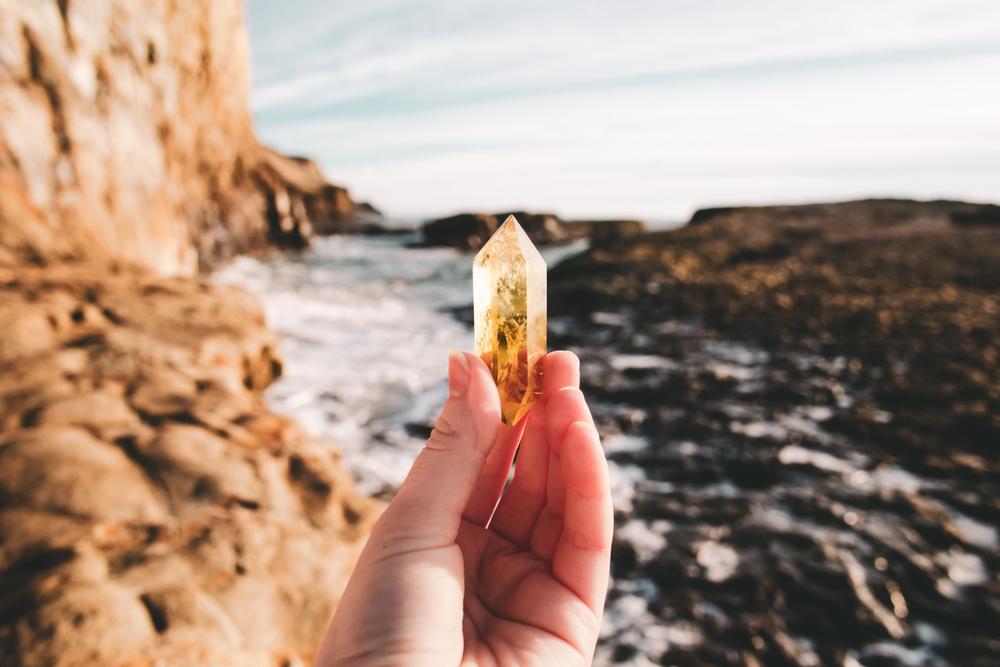
The November birthstone is one of the most unique in the entire birthstone calendar. Unlike most months that have a single gemstone, November stands out with two official birthstones—topaz and citrine. And what makes this even more interesting is that these two stones were once confused for each other for centuries.
If you're born in November, you don't just inherit a birthstone; you get to choose between two, each with its own history, meaning, and personality. This makes perfect sense because November is a month of transition. It sits between warmth and winter, between light and darkness. The trees have shed their leaves, the air turns crisp, but traces of warmth still remain.
Both topaz and citrine reflect that exact feeling. In this article, we delve more into the significance of the November birthstone.
What Is the November Birthstone?
The November birthstone includes two gemstones:
- Topaz (traditional birthstone)
- Citrine (modern alternative)
Topaz has been associated with November for centuries, while citrine was added later. Today, both are officially recognized, giving November-born individuals a rare advantage—the ability to choose their birthstone.
RELATED READ: Birthstone Chart: Discover Your Birthstone's Magic & Where to Find It in Nature
Why Does November Have Two Birthstones?
November stands out among birth months for its dual gemstone identity—Topaz and Citrine. This pairing isn't just a modern marketing twist; it's rooted in centuries of history, scientific discovery, and symbolic meaning.
History of Mistaken Identity
For much of history, gem classification was based on color rather than mineral composition. Any yellow gemstone was often labeled "topaz," even when it was actually citrine. As a result, citrine was commonly misnamed either as "Gold Topaz," "Spanish Topaz," or "Madeira Topaz." It wasn't until the rise of modern gemology that scientists clarified the difference: Topaz is a silicate mineral, while Citrine is a variety of quartz.
This revelation created confusion. Generations of people believed they owned topaz, when in fact they possessed citrine.
The 1952 Solution
To honor tradition while embracing scientific accuracy, the Jewelry Industry Council of America made a pivotal decision in 1952. They officially added citrine as a second birthstone for November. This move preserved historical naming customs, recognized citrine's cultural significance, and gave November a unique dual-birthstone status.
Zodiac Connections
Interestingly, November spans two zodiac signs:
- Scorpio (Oct 23 – Nov 22): traditionally linked to topaz
- Sagittarius (Nov 23 – Dec 21): aligned with citrine
This astrological overlap adds depth—Scorpio's intensity and mystery resonate with topaz, while Sagittarius' warmth and optimism reflect citrine.
Spiritual and Symbolic Meaning
Both stones carry powerful metaphysical associations:
- Topaz: enhances truth, clarity, and self-expression. It's linked to emotional balance and spiritual insight.
- Citrine: activates the Solar Plexus Chakra, promoting creativity, confidence, and motivation.
Together, they embody November's themes of transformation, gratitude, and inner light.
Historical Legacy
Across cultures and eras, these gems have held special meaning:
- Ancient Greeks wore citrine as protective talismans.
- Egyptians believed topaz captured the divine light of the Sun God Ra.
- Renaissance royalty adorned themselves with topaz to symbolize wisdom and favor.
Today, citrine and topaz continue to bridge ancient beliefs with modern elegance.
Topaz: The Traditional November Birthstone

Topaz is the original birthstone for November, celebrated for its radiant beauty and rich cultural legacy. With a history that spans thousands of years, this gemstone continues to symbolize strength, clarity, and emotional warmth.
The name "topaz" is believed to derive from the Sanskrit word tapas, meaning "fire"—a fitting tribute to its glowing brilliance. Across civilizations, topaz has been revered for its powerful attributes:
- Strength and resilience
- Protection from harm
- Love, loyalty, and emotional healing
- Clarity of thought and calmness
For those born in November, topaz represents inner fortitude during seasonal transitions, echoing the shift from autumn into winter.
Historical Significance
Topaz has captivated cultures for centuries:
- Ancient Egyptians believed it held the power of the sun god Ra.
- Greeks thought it could grant invisibility in times of danger.
- Europeans used it to break spells and soothe anger.
- Indian traditions linked it to intelligence and longevity.
One of the most intriguing historical cases is the Braganza "Diamond," once thought to be one of the largest diamonds ever discovered, later revealed to be colorless topaz.
Color and Character
Topaz is renowned for its stunning range of colors, making it one of the most versatile gemstones:
- Golden Yellow: Represents warmth, friendship, and tradition
- Blue: Represents peace, communication, and loyalty
- Pink: Represents romance and compassion
- Orange: Represents creativity and enthusiasm
- Colorless: Represents purity and clarity
The rarest and most prized variety is Imperial Topaz, a rich reddish-orange gem historically reserved for royalty.
Where Is Topaz Found?
Topaz is mined in several regions around the world:
- Brazil: Leading source of Imperial and Blue Topaz
- Sri Lanka, Russia, Pakistan, Nigeria: Known for high-quality specimens
- USA (Utah, Texas) and Australia: Emerging sources with ethical mining practices
Today, sustainably sourced topaz is highly valued by conscious consumers seeking beauty with integrity.
RELATED READ: Where to Find Topaz in the US: Locations & Collecting Guide
Citrine: The Modern November Birthstone

Citrine may be the newer addition to November's birthstone lineup, but its vibrant energy and rich symbolism make it equally significant. While topaz embodies strength and depth, citrine brings light, warmth, and joy—creating a harmonious balance for those born in this transitional month.
Citrine is often called the "Merchant's Stone," and is associated with prosperity, success, and positivity. Its golden glow reflects the sun's vitality and is believed to:
- Attract abundance and wealth
- Promote joy and optimism
- Radiate warmth and creativity
Historical Identity
Though citrine has always existed, it was long mistaken for topaz due to its yellow hue. Despite this confusion, ancient cultures still valued citrine:
- Egyptians used it as a protective talisman
- Greeks carved it into decorative ornaments
- Romans wore it in rings and amulets
During the Victorian era, citrine gained popularity in Scottish jewelry, especially pieces sourced from the Cairngorm Mountains.
Rise in the Art Deco Era
Citrine's status as a standalone gemstone was solidified during the 1920s–30s Art Deco movement. Designers embraced its bold color in striking pieces alongside Amethyst, Peridot, and Aquamarine. This era helped elevate citrine from a topaz lookalike to a celebrated gem in its own right.
Natural vs. Heat-Treated Citrine
Most citrine sold today is actually heat-treated amethyst. This process transforms purple amethyst into the yellow-orange hues associated with citrine. To differentiate between them:
- Natural citrine: Pale yellow to smoky gold; rare and more valuable
- Heat-treated citrine: Deep orange or reddish tones; more common
When buying citrine, ask for certification to ensure authenticity, especially for collectors or custom jewelry designs.
Where Is Citrine Found?
Top-quality citrine is mined in:
- Brazil (global leader)
- Madagascar, Zambia
- USA and Spain (notable varieties)
Modern buyers often seek ethically sourced citrine, valuing transparency and sustainability in gemstone production.
RELATED READ: Where to Find Citrine in the US: Locations & Collecting Guide
Topaz vs Citrine: How to Choose
If you were born in November, you have a rare privilege—two official birthstones to choose from. But how do you decide between the fiery elegance of topaz and the sunny charm of citrine? Here's a guide to help you pick the stone that best reflects your personality, style, and spirit.
Choose Topaz if you:
- Prefer the traditional birthstone with ancient roots
- Value a deep historical and cultural connection
- Enjoy a wide range of colors, from blue to pink to imperial gold
- Resonate with strength, protection, and clarity
- Fall under the Scorpio zodiac sign (Oct 23 – Nov 22)
Choose Citrine if you:
- Want a more affordable and accessible gemstone
- Love warm golden tones that radiate positivity
- Prefer a stone with everyday durability
- Connect with joy, abundance, and optimism
- Belong to the Sagittarius zodiac sign (Nov 23 – Dec 21)
Topaz and citrine aren't rivals; they're complementary. Each offers a unique energy and aesthetic. Whether you choose topaz or citrine, you're embracing a birthstone that reflects the richness of November—where autumn's golden glow meets winter's quiet strength.
Gift Ideas for November-Born People
November offers exceptional flexibility for meaningful gifting across all styles and budgets. Whether you're shopping for jewelry lovers, spiritual seekers, or rockhounding enthusiasts, there's something for everyone.
Topaz Gifts
Topaz is ideal for those who appreciate elegance, tradition, and variety. Consider:
- Imperial Topaz rings: A luxurious choice with royal flair
- Blue Topaz pendants: Versatile and budget-friendly
- Gold-set Topaz jewelry: Timeless and sophisticated
Citrine Gifts
Citrine radiates warmth and positivity, making it perfect for everyday wear and cheerful spirits:
- Citrine necklaces in yellow gold — sunny and stylish
- Stud earrings — simple, durable, and ideal for daily use
- Madeira Citrine pieces — deep orange tones for bold personalities
For Rockhounds and Adventurers
You can skip the jewelry and gift an experience. A trip to Utah's Topaz Mountain to hunt for natural topaz is an unforgettable adventure. Citrine collecting adventures to explore gem-rich sites are equally rewarding. Experiences often leave a deeper impression than objects, and they spark lifelong passions.
Conclusion
November stands out as one of the most unique months in the birthstone calendar, offering not one but two meaningful choices—topaz and citrine. Each stone tells a different story. Topaz carries tradition, depth, and a long history tied to strength, clarity, and protection. Citrine brings warmth, optimism, and a modern sense of energy and abundance.
Together, they reflect what November truly represents: a transition between seasons, where warmth meets stillness, and light meets change. Whether you're drawn to the rich legacy of topaz or the bright, uplifting feel of citrine, both stones capture the essence of the month in their own way.
What makes the November birthstone so special is that you're not limited to one meaning. You get to choose the one that fits you best.
RELATED READ: What Are the December Birthstones? Blue Topaz, Zircon, Tanzanite & Turquoise Explained
Frequently Asked Questions
What is the November birthstone?
November has two birthstones: topaz and citrine.
Why does November have two birthstones?
Because citrine was historically mistaken for topaz, it was later added as an official alternative in 1952 by the Jewelry Industry Council of America.
Which is better: topaz or citrine?
Neither is better. Topaz is traditional and diverse in color; citrine is affordable and radiates warm energy. The choice is entirely personal.
Can you find November birthstones yourself?
Yes. Topaz can be found in Utah and Texas, while natural citrine occurs in parts of the U.S. and internationally. Many rockhounding sites even let you dig for your own specimens.