
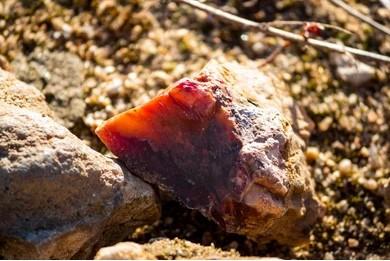
A few times each year, the ocean pulls back farther than usual, exposing areas of coastline that are normally hidden underwater. These extremely low tides, known as king tides, create some of the best rockhounding conditions you'll get all year. King tides reveal hidden treasures, fresh bedrock is revealed, gravel bars and heavy minerals that usually stay buried becomes exposed.
If you're planning coastal rockhounding in 2026, timing your trips around king tides can increase your chances of finding agates, jasper, fossils, petrified wood, and other beach-worn treasures.
This guide breaks down what king tides are, why they matter for rockhounding, how to plan around them in 2026, where to hunt, what you can find, and how to stay safe while doing it.
Why King Tides Are a Big Deal for Rockhounding
King tides are exceptionally high and low tides caused by the gravitational alignment of the moon, sun, and Earth. They usually occur during new or full moons when the moon is closest to Earth (perigee).
During king tides, the ocean recedes farther than during normal low tides, this exposes submerged rock and uncovers gravel pockets and erosion zones. Fresh material is shifted and concentrated along the beach. These conditions create windows for discovery while rockhounding.
Here's why they matter so much for beach and coastal rockhounding:
- Access to normally unreachable areas: Rock shelves, reef edges, and bedrock seams that are underwater most of the year become walkable.
- Fresh material is uncovered: Wave energy during king tides reshapes the shoreline, washing away sand and revealing heavier rocks and minerals beneath.
- Better concentration of finds: Agates, jasper, fossils, and petrified wood are dense. When lighter material moves, these tend to stay behind.
- Less competition: Most casual collectors don't plan around king tides, meaning fewer people are hunting at the best times.
While king tides will not guarantee you will make a mighty discovery, but they stack the odds in your favor, and give you more to look forward to while rockhounding.
King Tide Rockhounding in 2026: Planning Ahead
Before planning rockhounding activity around king tide moments, note that the tides occur multiple times each year, but exact dates and tide heights vary by location. What matters most is identifying when your local tide charts show the lowest low tides of the year.
The best times of the year to watch for king tides vary, but they usually happen around winter months, early spring, and late fall.
In Oregon, community science programs and tide monitoring projects note king tides occurring on specific dates like November 5–7, December 4–6, and January 1–3, illustrating how these predictable tidal cycles help planners and coastal visitors prepare.
California's statewide king tide observations also list key dates spanning late 2025 into early 2026 when the tides will reach peak highs and lows. North Carolina already has a King Tides calendar for the year.
Before planning King tides rockhounding for 2026, it is important to check local charts and observe safety measures before embarking on such an activity. These few tips could help:
- Check your local tide charts well in advance
- Look for the lowest negative tide values
- Note the exact time of the lowest tide, not just the day
- Plan to arrive 1–2 hours before the low
King tide low windows are usually short. You need to be well prepared before you go rockhounding during king tide moments.
Best Places for King Tide Rockhounding

Not all beaches benefit equally from king tides. The most productive locations usually share one thing: exposed geology.
- Rocky Beaches: Rocky shorelines are prime targets during king tides. When water pulls back, cracks, seams, and pockets in bedrock are revealed, often holding agates, jasper, and quartz.
- Cliff-Backed Beaches: These beaches receive constant material from erosion. King tides can uncover freshly fallen rocks and fossils that haven't yet been picked over.
- Gravel and Cobble Beaches: Gravel beaches are excellent during king tides because wave action naturally sorts material by weight. Heavier stones collect in low spots.
- Tidal Flats and Reef Edges: In some regions, king tides expose reef-like formations or flat bedrock zones that are completely inaccessible during normal conditions.
While out there, rockhounds should watch for newly exposed gravel pockets, sharp sand-to-rock transitions, concentrated bands of similar-sized stones, and areas where waves recently stripped sand away. These zones often form right after peak wave energy, and king tides amplify that effect.
Read More: Wishing Stones: Meaning, Legends, and Where to Find Them
What You Can Find During King Tides (And Where to Look)
King tides uncover what's been hidden under water, sand, and kelp for months or even years. The combination of extremely low tides and wave action exposes fresh material along shorelines that are normally unreachable.
Here's what rockhounds commonly find during king tides, and the specific coastal zones where each shows up most often.
Agates and Chalcedony

Agates and chalcedony are among the most reliable king tide finds, especially along volcanic coastlines. During extreme low tides, waves strip away fine sand and expose heavier stones beneath.
Best strategy: scan wet gravel zones where waves have just receded. Agates often appear dull when dry but glow once wet, so timing your search right after a wave pullback helps.
Where to look:
- Pebble beaches with mixed gravel and cobble
- Wave-washed berms just above the waterline
- Creek and river mouths that empty into the ocean
Notable regions to find Agates and Chalcedony are on the Pacific Northwest beaches (Oregon, Washington), Northern California coastline.
Jasper Varieties

Jasper is heavier and tougher than many surrounding stones, which means king tides often concentrate it on exposed rock shelves and coarse-gravel pockets. Look for red, yellow, green, or banded stones wedged between larger rocks. These areas are usually inaccessible at normal tides but briefly exposed during king-tide lows.
To find these, focus on transition zones where sand meets rock; jasper often collects there after wave sorting.
Where to look:
- Rocky points and headlands
- Base of sea cliffs after erosion
- High-energy beaches with red or iron-rich gravel
Fossil Fragments and Shells
King tides frequently reveal fossil-bearing layers that are normally underwater. You'll often find shell impressions, fossil fragments, or mineralized shells embedded directly in rock rather than loose on the beach.
Search slowly along flat rock shelves during the lowest tide window. Fossils tend to blend in until you catch them at the right angle of light.
Where to look:
- Exposed shale or sedimentary rock layers
- Low-tide platforms near cliff bases
- Eroded tidal flats
Remember to always check local regulations, as some coastal areas restrict fossil collecting.
Petrified Wood

Petrified wood often shows up during king tides because wave energy uncovers heavier, silicified material that normally stays buried.
It's commonly mistaken for driftwood at first glance. Look for pieces that feel unusually heavy, show wood grain patterns, or have a glossy, stone-like surface when wet.
Where to look:
- Gravel bars near ancient river channels
- Creek mouths and estuaries
- Mixed cobble beaches after storms
Best finds usually appear just after storms that coincide with king tides, when erosion is strongest.
Quartz and Crystal Nodules

Quartz nodules and crystal pockets are often locked inside host rock. King tides expose fresh fractures and broken rock faces, giving you a rare chance to spot crystal-bearing material.
Check cracks, crevices, and freshly broken rock surfaces. Clear or milky quartz often catches sunlight even when partially buried.
Where to look:
- Fractured bedrock exposures
- Base of cliffs and sea stacks
- Gravel pockets near fault lines
Never climb unstable cliffs or pry rock during active wave conditions.
Sea-Polished Minerals
Sea-polished stones are shaped by constant tumbling, and king tides help reveal the newest, cleanest pieces. These stones often have smooth surfaces, rounded edges, and vivid colors.
These finds are perfect for tumbling, wire wrapping, or display because they're already naturally finished.
Focus on areas where waves slow down and drop heavier material, such as slight dips in the beach or behind large rocks.
Where to look:
- Surf zones with constant wave action
- Tidal channels where water funnels through
- Long pebble beaches with steady wave energy
Read More: How to Find Geodes in Colorado [2026 Guide] - Best Locations & Tips
Safety Tips for King Tide Rockhounding
While it will be fun to go rockhounding during king tides, you should also know it comes with its own risks, like strong currents and unexpected waves. Therefore, taking precautions is essential. Here are some safety tips to observe:
- Always know the exact time of low tide; you should check tide charts first before embarking on this journey.
- While out there, watch wave patterns, not just individual waves, as this will help you take more caution.
- King tides are powerful, so stay off wet, uneven rocks, unstable cliffs, and overhangs
- Leave immediately if the water starts rising faster than expected. King tides drop quickly, but they rise quickly too.
- Check for local rules before visiting a beach for rockhounding during king tides; you do not want to end up on the wrong side of the law.
- Follow regional collection laws
- Don't dig into cliffs or protected zones
- Leave habitats intact
- Take only what you can legally and responsibly collect.
Recommended Tools
Here are essential tools to bring with you when rockhounding during king tides:
- Sturdy boots with a good grip for slippery rocks
- Protective gloves to handle sharp or rough specimens
- A small bag or bucket for carrying finds (if permitted)
- Water and snacks to stay hydrated and energized
- Tide charts or a tide app for accurate timing
- A time alarm to remind you when to leave before the tide turns.
- A rock hammer, chisel, or magnifying lens (only if allowed and used responsibly)
Safety gear is just as important as collecting tools. Preparation is part of the adventure, and its important you come prepared.
Conclusion
King tides offer rare access, fresh material, and some of the best conditions coastal rockhounds will see all year. You don't need to chase every low tide. With the right planning, awareness of tide windows, and respect for safety and local regulations, king tides can increase your chances of finding agates, jasper, fossils, petrified wood, and beautifully sea-polished stones.
Treat each outing as both an adventure and a responsibility: move carefully, collect thoughtfully, and leave the shoreline as wild as you found it. When timed right, king tides turn an ordinary beach walk into one of the most rewarding rockhounding experiences of the year.
Read More: Public Gem Mining Sites in the U.S. - Where to Legally Dig for Gems and Crystals
Frequently Asked Questions
Are king tides dangerous for rockhounding?
Yes, they can be if you're unprepared. King tides bring extreme water levels and powerful waves, which can make coastal areas slippery, unstable, and unpredictable. The danger comes from sudden surges, strong currents, and the risk of being caught by a rising tide. With proper planning, awareness of tide charts, and disciplined time management, king tide rockhounding can be both safe and rewarding. Always keep an eye on the ocean and never turn your back to incoming waves.
Do king tides happen everywhere?
King tides occur everywhere, but their intensity and timing vary depending on coastal geography, latitude, and local tidal patterns. For example, rocky shorelines with steep drops may experience more dramatic water level changes than sandy beaches. Some regions see king tides only a few times per year, while others may experience them more frequently. Local tide charts and regional guides are the best way to understand how king tides affect your area.
How long does a king tide low window last?
The prime low‑tide window usually lasts between 30 and 90 minutes at peak exposure, depending on the coastline and season. This is the period when rocks, tide pools, and hidden mineral deposits are most accessible. Timing is critical; arriving too early or staying too long can put you at risk of being trapped by the incoming tide. Set alarms, plan your entry and exit routes, and always allow extra time to leave safely.
Is king tide rockhounding legal?
It depends on local regulations. Some beaches and coastal areas allow casual collecting of small specimens, while others restrict or prohibit the removal of rocks, shells, or minerals to protect ecosystems. National parks, marine reserves, and private lands often have stricter rules. Always check local laws, posted signs, or regional rockhounding guides before collecting. When in doubt, practice "leave no trace" and enjoy observing rather than removing specimens.