

Kids are more drawn to rocks than adults; even from the toddler stage, they tend to want to collect and keep any rocks they find. As a rockhound adventurist, you can incorporate rock collecting into the list of activities to do with your kids.
Rock collecting is one of the simplest hobbies you can introduce to a child. It doesn't require expensive gear, it gets kids outside, and it turns an ordinary walk into a real-life treasure hunt.
If you're looking for the best rocks for kids to collect, this guide breaks down the safest beginner rocks you can start with, why they're ideal for children, easy places kids can actually find them, and simple ways to make the experience fun and educational for your kids.
Why Rock Collecting Is Great for Kids
Rock collecting naturally builds skills without feeling like schoolwork. As a little kid, I remember enjoying collecting and keeping rocks. It is such a fun way to engage kids.
It helps children:
- Learn basic geology in a hands-on way
- Spend more time outdoors
- Improve observation and attention to detail
- Develop patience
- Understand Earth's history
Kids already love collecting things. Rocks are perfect because they're durable, colorful, and sometimes millions of years old. They will definitely be fascinated by holding a historical piece in their hands.
Best Rocks for Kids to Collect
Quartz

Quartz is one of the easiest and safest rocks for kids to begin with. It's extremely common, incredibly durable, and comes in beautiful varieties like clear quartz, milky quartz, rose quartz, and smoky quartz.
One of the reasons quartz tops my list is simple: it's almost impossible to go wrong with it. It's easy to identify, easy to clean, and tough enough to survive being carried around in a backpack or pocket. For keepsakes, quartz holds up very well over time. For beginners, quartz builds confidence quickly because kids are almost guaranteed to find some.
Another big advantage? You can find it almost anywhere. Take your child to:
- Riverbanks
- Gravel driveways
- Hiking trails
- Landscaping rock beds
In the U.S., quartz is especially common in Arkansas, North Carolina, Georgia, Arizona, and Connecticut, but realistically, you can find quartz in nearly every state.
Agate

Next on my list of the best rocks for kids to collect is agate. Agates are banded stones that often look plain when dry, but once wet, they reveal stunning swirls and layered patterns.
Kids love agates because they look like hidden artwork, are very smooth and satisfying to hold, and polish beautifully in a rock tumbler. The "wet reveal" moment is especially exciting. Pouring a little water over a dull rock and watching patterns appear feels like magic to a child.
You can find agates in:
- Lake beaches
- Riverbeds
- Gravel bars
- Shorelines after rainstorms
Popular kid-friendly areas include Lake Superior beaches (Minnesota, Wisconsin, Michigan), the Oregon coast, and parts of Idaho and the Great Lakes region.
Amethyst

Amethyst is a purple variety of quartz and one of the most eye-catching minerals kids can collect. Its bright violet color instantly makes it feel special.
Amethyst is great for kids, its beautiful purple color easily attracts, and is durable (same hardness as quartz) and easy to clean.
Because it's part of the quartz family, it's tough enough for beginner collectors. It's also widely available in small clusters or tumbled stones, making it safe and manageable for children.
It is common in rock shops and some natural areas. Other places kids can find amethyst include:
- Geode cracking sites
- Rock shops with mining bins
- River gravels in volcanic regions
- Public dig sites (where allowed)
In the U.S., amethyst is found in Arizona, North Carolina, Georgia, and parts of the western states. Many families also enjoy cracking open amethyst geodes purchased from rock shops.
Jasper

Jasper, especially red jasper, is one of the easiest rocks for children to recognize. It is attractive for its bright, bold color as well as its smooth texture. They are durable and beginner-friendly.
Unlike subtle minerals, jasper is obvious. When a child spots a bright red stone among gray gravel, they instantly feel like they've found treasure.
You'll often find Jasper stones in:
- Desert landscapes
- Gravel roads
- Riverbeds
- Hillsides
It's especially common in Arizona, California, Nevada, Texas, and parts of New England.
Granite

Granite may not look exciting at first, but it's excellent for learning. It contains visible minerals like:
- Quartz (sparkly grains)
- Feldspar (often pink or white)
- Mica (tiny black flakes)
This makes granite perfect for teaching children that rocks are made up of different minerals combined. It turns into a hands-on geology lesson without feeling like school.
You can find granite on mountain trails, construction gravel, landscaping stones, and parks with exposed bedrock. Granite is extremely common and easy to collect.
Fossils

If you want to really spark curiosity, fossils are hard to beat. You can take your kids on the hunt for shell imprints, coral patterns, and crinoid stem fragments.
Top places you can go with them are on the creek beds, midwest river valleys, florida rivers. The Ohio and Kentucky creeks are very popular for their fossils.
Always check local regulations before collecting fossils, and stick to legal public areas.
Read More: Rockhounding with Kids: Everything You Need to Know to Get Started
Geodes
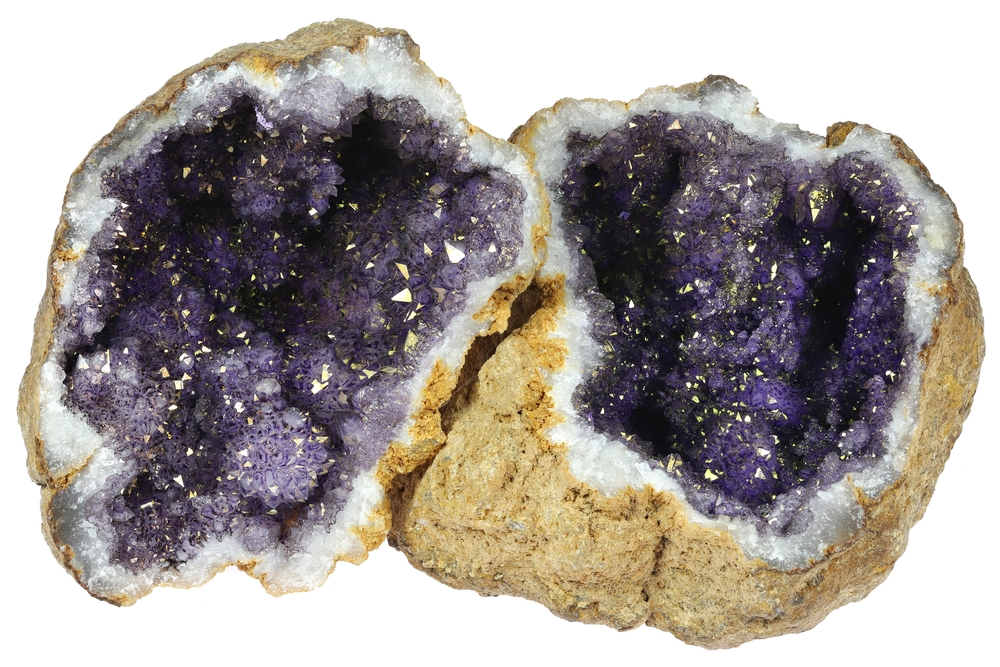
Geodes look ordinary on the outside but contain crystals inside. That surprise factor makes them incredibly exciting for kids.
You can buy unopened geodes, visit pay-to-dig locations, or just break them open at rock shops. It is such a fun activity with your kids.
Kid-friendly geode areas include parts of Indiana, Iowa, and Utah (with supervision).
Carnelian

Carnelian isn't always well known, and sometimes confused with agate. With its fiery orange and red tones, kids will definitely find carnelian a surprise element in their rockhounding experience.
Carnelian is a variety of chalcedony, just like agate, but it usually lacks strong banding. It's durable, smooth, and safe for older kids' collections.
Kids can find Carnelian along riverbeds, lake beaches, or visit rock shops. Carnelian can be found in western states and volcanic regions, but it's also commonly available in beginner rock kits.
Pyrite
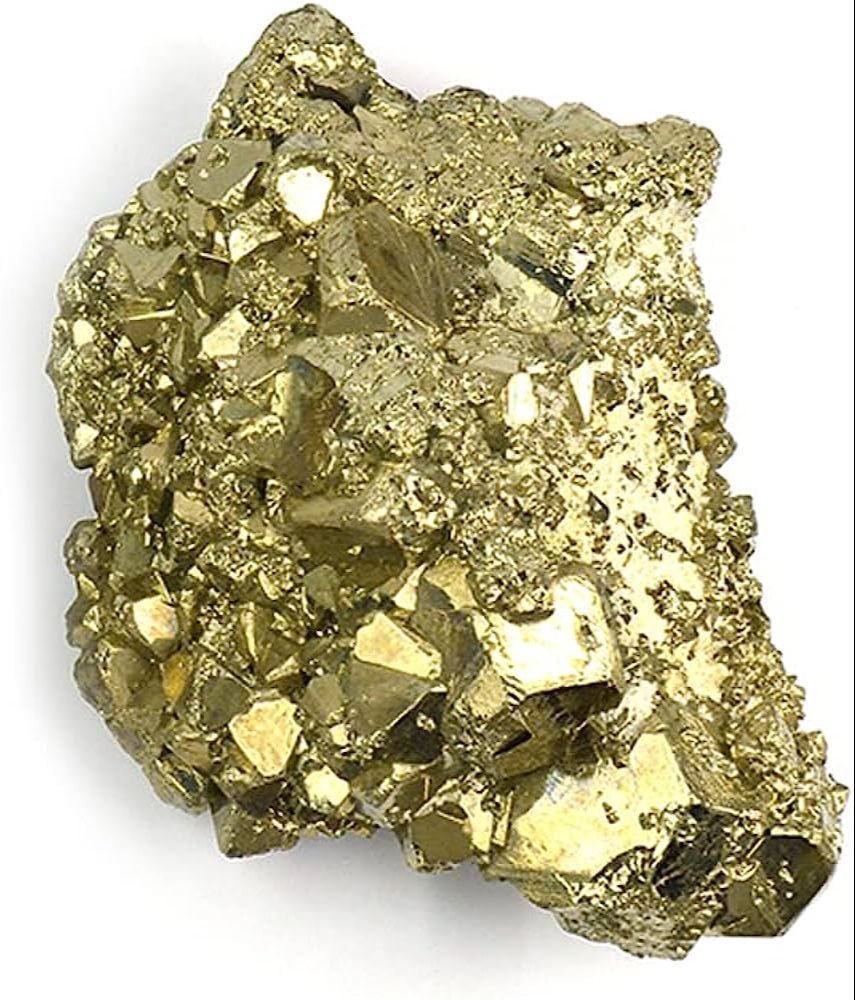
Pyrite, often called "Fool's Gold," is one of the most exciting minerals for kids because it looks like treasure. Its shiny metallic surface instantly grabs attention.
Kids love pyrite for its gold-like sparkle, crystal cube shapes, and the fact that it looks like real treasure, and is great for display collections.
However, pyrite is best suited for older kids. While safe to handle, it shouldn't be put in the mouth, and hands should be washed after handling.
Kids can find Pyrite in:
- Rock shops and mineral shows
- Creek beds in certain regions
- Old mining areas (where permitted)
- Educational mining kits
Pyrite is commonly found in states like Colorado, Illinois, and Pennsylvania.
Lapis Lazuli
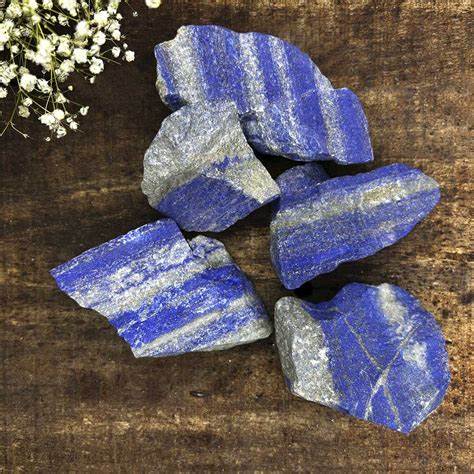
Lapis lazuli stands out because of its rich, royal blue color. It often contains tiny golden flecks of pyrite, which makes it even more striking.
Why lapis is great for kids:
- Bold, bright blue color
- Often has gold sparkles
- Easy to identify
- Perfect for display collections
It's sometimes confused with sodalite, but lapis typically contains those golden flecks that make it easy to recognize. Kids can find Lapis Lazuli in rock shops, gem mining attractions, or mineral shows.
Natural lapis deposits are rare in the U.S., so most lapis found by kids will be purchased or mined at supervised dig sites.
Hematite

Hematite is a mineral many kids are instantly drawn to because of its metallic shine. When polished, some pieces look like tiny mirrors.
They are worth showing your kids because they are shiny with a metallic surface, sometimes reflective, and heavy for their size (which fascinates kids). Also, they are durable if you are collecting for display.
It's commonly available in polished form, which makes it safe and easy for children to handle. Not all hematite is mirror-polished, but even raw pieces often have a silvery, metallic look.
Kids can find hematite if they visit rock shops, mineral shows, iron-rich regions, and educational mining attractions as well.
Calcite

Calcite may not always look flashy, but it comes in beautiful colors like orange, honey, green, and clear. Some clear calcite crystals even show double refraction, meaning objects behind them appear doubled.
Why is calcite interesting for kids?
- It comes in many colors
- Shows cool optical effects
- Common and affordable
- Great for learning mineral properties
Calcite is softer than quartz, so it's better suited for display rather than rough play.
Kids can find calcite in limestone areas, creek beds, rock shops, and mineral shows. It's widely available and often included in beginner mineral collections.
Related Read: Tiger's Eye: Everything You Need to Know - Properties, Benefits, and Uses
Rocks to Avoid
Some rocks aren't beginner-friendly. Therefore, avoid collecting:
- Heavy metal ores
- Lead-bearing minerals
- Arsenic minerals
- Extremely sharp crystal clusters
- Collecting inside protected reserves
When unsure, stick to quartz, jasper, granite, and smooth beach stones. They will love it as much.
Best Places for Kids to Go Rock Collecting
If safety is your priority, stick to these beginner-friendly environments:
- Public Beaches: You can casually visit with kids and be on the lookout for quartz, agates, fossils, and smooth stones.
- Riverbanks and Gravel Bars: Best visited after rain when new material is exposed. You could find some interesting fossils here.
- State Parks: Before going, check the rules first. Some allow small personal collecting; always verify regulations.
- Public Dig Sites (Fee-Based): Controlled, family-friendly environments such as crystal mines in Arkansas or gem mines in North Carolina.
- Landscaping Gravel: Yes, parking lots and decorative gravel often contain quartz, granite, and jasper. Perfect for very young kids.
- Rockhounding Events: Taking your kids to kid-friendly rockhounding events is also a sure way to show them a fascinating piece of the earth. You can keep tabs on the rockhounding event in your locale on our event page.
Simple Rock Collecting Rules for Kids
Before heading out with your kids to collect and see rocks, here are some safety tips to keep in mind:
- Always supervise children closely: Rockhounding can be exciting, but young explorers should never roam freely without an adult. Stay within sight and keep them engaged in safe areas.
- Avoid cliffs, steep slopes, or unstable ground: These areas can be dangerous and may cause slips, falls, or injuries. Stick to flat, open spaces where footing is secure.
- Do not dig into riverbanks or embankments: These can collapse unexpectedly, posing serious risks. Surface collecting along safe trails or gravel beds is a much better option.
- Respect private property: Only collect rocks in public areas or places where you have explicit permission. Trespassing can lead to legal issues and unsafe encounters.
- Practice good hygiene: Wash your hands thoroughly after handling rocks, especially before eating. Some minerals may contain trace elements that aren't safe to ingest.
- Be cautious with sharp crystal clusters: Pointed edges can cut skin easily. Encourage kids to admire these specimens visually rather than handling them directly.
- Surface collecting is best for younger children: Picking up rocks from the ground is safer than using tools or breaking pieces off larger formations. It also keeps the experience simple and fun.
- Bring basic safety gear: Sturdy shoes, gloves, and sun protection help prevent injuries and keep kids comfortable during longer outings.
- Teach "leave no trace.": Encourage children to respect nature by not disturbing wildlife, plants, or habitats while collecting.
Conclusion
The best rocks for kids to collect aren't rare museum pieces; they're the ones that spark curiosity.
Whether it's a sparkly quartz crystal, a striped agate, or a shiny piece of pyrite that looks like treasure, what matters most is the excitement of discovery. Rock collecting turns an ordinary walk into an adventure and builds patience, observation skills, and a deeper connection to nature.
Keep it simple. Start with safe, beginner-friendly rocks. Choose easy locations. And most importantly, make it fun.
Turn your next outing into a scavenger hunt, a "find the sparkliest stone" challenge, or a guess-the-mineral game. That's how lifelong rockhounds are made, one small discovery at a time.
Read More: Best Kid-Friendly Rockhounding Spots To Try Out
Frequently Asked Questions
The safest rocks for kids to collect are quartz, jasper, granite, smooth beach stones, and polished minerals from rock shops. These rocks are durable, non-toxic, and don't have sharp edges. Avoid heavy metal ores, lead-bearing minerals, and fragile crystal clusters.
Children can start rock collecting as young as 3–4 years old with supervision. Toddlers can collect smooth beach stones, while older kids (6+) can begin identifying quartz, agate, and simple fossils.
Kids can legally collect rocks in: public beaches (where allowed), riverbanks and gravel bars, fee-based dig sites, and some state parks (check regulations first). Always verify local laws before collecting.
Most beginner rocks can be cleaned using warm water, a soft brush, and mild soap (if needed). Avoid using chemicals. Let rocks dry completely before storing.
Fossils are generally safe if they are legally collected and free from sharp edges. Always check local regulations, especially in state parks and rivers.
For beginners, kids only need a small backpack, a magnifying glass, a water bottle, gloves, and a small container to store finds. Avoid heavy tools for younger children.