
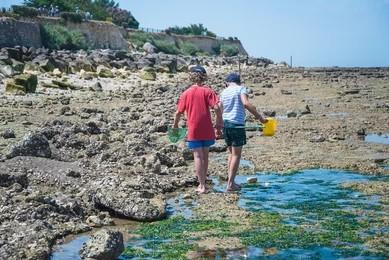
Rockhounding with kids doesn't have to mean dangerous cliffs, remote deserts, or complicated digging tools. In fact, some of the best rockhounding spots in North America are perfect for families. They are easy to access, safe to explore, and almost guaranteed to reward young collectors with exciting finds.
If you're looking for kid-friendly rockhounding spots, this guide highlights safe, high-success locations you can confidently explore, learn, and discover rocks with the kids.
Best Kid-Friendly Rockhounding Spots

Crater of Diamonds State Park
Crater of Diamonds State Park in Murfreesboro, Arkansas, is one of the most famous family-friendly rockhounding locations in the United States.
It's great for kids because of its large, open, plowed field, flat walking terrain, and educational exhibits. The park operates a finders-keepers policy, which sets it apart from other state parks. You don't need a license or permit to dig, and you get to keep any diamond, gemstone, or mineral you find, regardless of its size, quality, or value.
In this park, you can find diamonds and other gemstones such as amethyst, quartz crystals, jasper, agates, and garnets. Kids love these spots because of the possibility of finding diamonds and other beautiful crystals.
The park is easily accessible by car, with clear signage leading to the main entrance. There is a visitor center where you can drop by, the Diamond Discovery Center for gem identification, and a variety of hiking trails, picnic areas, and campgrounds, providing a complete and adventurous experience.
While visiting, respect park rules. Visitors are allowed to collect rocks and gems, but only with non-mechanical methods. Always check with staff for updates on collection limits. And ensure to visit the park during spring or fall, the weather is chill, and the rain must have uncovered hidden diamonds, making digging a worthy venture.
Mount Ida (Quartz Dig Sites)

Mount Ida in Montgomery County, Arkansas, also known as the "Quartz Crystal Capital of the World," is a small town in the Ouachita Mountains and one of the richest sources of high-quality quartz in the world. It is known for an abundance of clear quartz crystals, and kids will find clear quartz crystals, smoky quartz, and lots of quartz clusters.
Mount Ida offers fee-based dig sites that are perfect for families. It's kid-friendly because of the controlled digging areas done under staff supervision. One of the biggest advantages of Mount Ida is that the crystals are often easy to spot once exposed. Their clarity and natural shine make them exciting discoveries, especially for young collectors. The hands-on digging experience also helps children quickly learn how to identify quartz in the ground, building both skill and confidence while exploring this area.
The area is easily accessible by car, with multiple public mines and crystal shops along the main roads. Many sites provide washing stations so families can clean their finds on-site. Beyond digging, Mount Ida offers scenic mountain views, small-town charm, nearby Lake Ouachita recreation, and camping options, turning a crystal hunt into a full family adventure.
As always, follow site rules. Each mine has its own guidelines regarding tools, digging limits, and safety procedures. Wear gloves, closed-toe shoes, and bring plenty of water. Arkansas summers can be hot. Spring and fall are generally the most comfortable seasons to visit, and after rainfall, freshly exposed crystals can be easier to spot.
If you are looking for a safe, exciting, and educational rockhounding trip with the kids, Mount Ida delivers a true crystal-hunting experience that kids won't forget.
Cape Henlopen State Park

Cape Henlopen State Park is one of Delaware's most scenic coastal destinations, located in Sussex County, where the Delaware Bay meets the Atlantic Ocean. Cape Henlopen beaches occasionally reveal fossil finds, including crinoid stem fragments, coral pieces, and other marine material dating back hundreds of millions of years. Crinoids, related to starfish and sea urchins, often appear as small disc-shaped fossils. While not abundant, these discoveries make the shoreline hunt especially appealing for children interested in prehistoric life.
Cape Henlopen is kid-friendly thanks to its flat, walkable terrain and safe surface collecting. Kids don't need to dig; instead, they can spot quartz crystals glistening in the sand or learn about ancient marine fossils right on the beach. The experience combines fun with education, offering a simple way to introduce children to geology and paleontology while enjoying the outdoors.
The park is easily accessible by car via US Route 9, with spring and fall offering pleasant weather and fewer crowds. Kids can explore both sides of the beach, bring a sift pan, check after storms, and wear comfortable shoes.
While Cape Henlopen doesn't provide the digging adventure of crystal mines, it offers a scenic and rewarding coastal experience where families can collect quartz crystals and fossils together.
Lake Superior Beaches (Minnesota & Michigan)
Few places in the United States offer beginner rockhounding success like the beaches of Lake Superior. Stretching along Minnesota and Michigan's Upper Peninsula, this area is famous for its colorful stones and easy surface collecting.
Lake Superior is especially great for families because you don't need to dig. Everything is found right on the shoreline. Lake Superior is well known for Agates (especially Lake Superior agates with red banding), Jasper, Quartz, Basalt, and other smooth glacial stones.
Agates are common enough that many kids find one on their very first visit, which instantly builds excitement and confidence. When wet, the banding becomes much easier to see, so bringing water helps reveal patterns.
Why It's Great for Kids:
- Surface collecting only, no tools required
- High success rate for beginners
- Wide, open shoreline terrain
- Safe and walkable beaches
- Easy visual identification of stones
- Kids don't need special equipment. A small bucket and a water bottle to rinse stones are often enough.
Plan to visit the Lake Superior beaches, especially after storms, in late summer and fall when water levels shift. The Minnesota North Shore and Michigan's Upper Peninsula are both popular for agate hunting, and many beaches are public and easy to access.
Lake Superior is one of the best beginner-friendly rockhounding destinations in the country. It offers simple, safe collecting with a high chance of success, which makes it perfect for kids just starting their rock-collecting journey.
Read More: Rockhounding with Kids: Everything You Need to Know to Get Started
Gem Mines in North Carolina
Gem Mines in North Carolina are some of the most parent-approved rockhounding experiences in the country. Located mainly in the western part of the state, these mines are designed with families in mind and offer structured, beginner-friendly gemstone hunting.
Unlike wild collecting, many of these locations provide pre-seeded mining buckets, meaning the rough already contains gemstones. Kids simply wash the material through a water flume and reveal their treasures. Here, kids can find Emerald, Garnet, Amethyst, Sapphire, and other colorful gemstones.
North Carolina is historically known for its emerald deposits, making it one of the few states where kids can realistically say they found a real emerald.
Why It's Ideal for Kids:
- Pre-seeded mining buckets (guaranteed finds)
- No complicated digging required
- Staff assistance available
- Educational signs explaining each gemstone
- Safe, controlled environment
This setup removes frustration and ensures success. Instead of spending hours searching and possibly finding nothing, children are almost guaranteed to discover something exciting.
Many mines also offer on-site cutting and polishing services, allowing families to turn rough stones into finished keepsakes. Some locations even provide gemstone identification services so kids can learn what they've found.
For families who want a stress-free, educational, and highly successful rockhounding experience, North Carolina gem mines are hard to beat.
Peace River

The Peace River in Southwest Florida is one of the most popular fossil-hunting destinations in the United States. Stretching roughly 171 kilometers (about 106 miles), the river is famous for its rich fossil deposits from both marine and land animals.
This location is best suited for older children with supervision, mainly because fossil hunting here involves wading into shallow water, handling shovels, and working in river gravel.
Taking older kids to this area exposes them to real fossil-hunting adventure, hands-on sifting experience, and the possibility of finding prehistoric remains. Unlike simple beach collecting, Peace River feels like a true expedition. Kids aren't just picking up stones; they're searching for pieces of ancient history.
Peace River is known for a wide variety of fossil discoveries, including:
- Shark teeth (including Megalodon teeth)
- Mammoth and mastodon tooth fragments
- Fossilized bone fragments
- Marine fossils (manatees, turtles, dolphins)
- Agatized coral (Florida's State Stone, occasionally found)
Shark teeth are the main attraction. Megalodon, one of the largest sharks to ever live, left behind teeth that are still found in the river today. Kids are often thrilled to find even a small shark tooth.
A fossil permit is required in Florida to collect vertebrate fossils (such as shark teeth, bones, or mammoth remains). These permits are issued by the Florida Museum of Natural History. The permit process is straightforward, but it's important to follow regulations before collecting.
Peace River offers a truly unforgettable experience. It's not just rock collecting, it's real fossil hunting. For families with older kids who enjoy adventure, history, and hands-on exploration, this Southwest Florida destination is one of the most exciting educational outdoor activities available.
Bancroft, Ontario (Canada)
Bancroft, Ontario, is proudly known as the "Mineral Capital of Canada." Located in southeastern Ontario, this small town has built a strong reputation around its rich mineral deposits and family-friendly rockhounding opportunities.
Bancroft is known for a wide variety of minerals, including: Feldspar, Quartz, Apatite, and Garnet. Quartz and feldspar are common and easy for kids to identify, while colorful apatite crystals and garnets add excitement to the hunt. It's one of Canada's best introductions to family rock collecting because the area combines accessible collecting sites with educational experiences.
Why It's Kid-Friendly:
- Public collecting areas (always check current regulations)
- Annual mineral and gem shows
- Guided rock tours are available
- Beginner-friendly sites with surface collecting
- Strong local rockhounding community
Bancroft isn't just about finding rocks; it's about learning. The town embraces its mineral heritage, making it easy for kids to connect what they're finding with real geological history.
Many collecting spots involve simple surface searching or light digging, making them manageable for families.
The annual Bancroft Rockhound Gemboree is especially popular, offering mineral displays, vendor booths, and educational exhibits that inspire young collectors. You could add this beautiful spot to the list of places to rockhound with the kids, as it is definitely worth it.
Read More: Best Rockhounding Sites for Families in the US: A Guide to Finding Gems and Minerals
Safety Tips for Rockhounding With Kids
- Check local laws and regulations: Always confirm state, provincial, or park rules before collecting. Some areas limit what you can take or require permits.
- Avoid private property: Never collect on private land unless you have clear permission from the landowner.
- Bring water, sunscreen, and basic supplies: Staying hydrated and protected from the sun keeps the trip comfortable and prevents early meltdowns.
- Stay alert for wildlife: Be aware of snakes, insects, and other animals, especially near rivers, forests, and desert areas.
- Avoid cliffs, steep slopes, and unstable ground: Safety comes first. Choose flat, open terrain that's easy for kids to navigate.
- Stick to surface collecting: For younger children, avoid digging into banks or using heavy tools. Surface finds are safer and just as exciting.
- Teach "Leave No Trace" principles: Respect nature. Don't damage habitats, fill in any small holes, and pack out everything you bring.
Safety builds confidence, and confident kids are far more likely to develop a lifelong love for rockhounding.
How to Make Rockhounding Fun for Kids
Rockhounding with kids shouldn't feel like a geology lesson. The goal is to turn it into an adventure. Instead of simply telling kids to "look for rocks," give them small challenges that spark excitement and curiosity. Here are simple ways to make it fun:
- Rock Scavenger Checklist: Create a small checklist before heading out (e.g., find a red rock, a sparkly rock, a smooth stone, a striped stone). Kids love completing missions.
- Find-the-Sparkliest-Stone Contest: Let everyone compete to find the shiniest or most unusual rock. It keeps them engaged and observant.
- Wet vs. Dry Reveal Game: Bring a water bottle and let kids wet their rocks to see hidden patterns appear. This works especially well with agates and quartz.
- Identify 3 Colors Challenge: Ask kids to find rocks with three different colors. It sharpens observation skills without feeling like schoolwork.
- DIY Rock Display Box at Home: After the trip, help them create a small display box or label their finds. It gives purpose to the hunt and builds pride in their collection.
When you turn rockhounding into a game rather than a task, kids stay curious, engaged, and excited to go out again.
Conclusion
Rockhounding with kids is not about rare museum-grade specimens. It's about curiosity, confidence, and shared adventure.
From the diamond fields of Arkansas to the agate-covered shores of Lake Superior, from North Carolina gem mines to Florida's fossil-rich Peace River, there are countless kid-friendly rockhounding spots that make geology exciting and accessible. The key is choosing locations that are safe, manageable, and fun for the kids.
With the right location, basic safety awareness, and a sense of play, rockhounding can become one of the most affordable and educational outdoor activities a family can enjoy together.
Read More: Rock Collecting for Kids: Best Rocks for Kids to Collect
Frequently Asked Questions
Most children can begin simple surface collecting around ages 4–5 with supervision. For digging sites or fossil rivers like Peace River, ages 8+ are generally more appropriate due to water safety and tool handling. The key is choosing age-appropriate locations.
The safest beginner-friendly rockhounding sites typically include public beaches (Lake Superior, Cape Henlopen), fee-based crystal mines (Mount Ida, North Carolina gem mines), or flat, open state park fields (Crater of Diamonds). These locations offer surface collecting or controlled environments with minimal risk.
It depends on the location. Some state parks allow small personal collecting without permits, while others require permission. In Florida's Peace River, a fossil permit is required for collecting vertebrate fossils like shark teeth. Always check local regulations before visiting.
Absolutely. Rockhounding teaches kids basic geology concepts, natural history, and environmental respect. It turns outdoor exploration into hands-on science without feeling like a classroom lesson.
Not necessarily. Many excellent family rockhounding locations are free public beaches or parks. Fee-based mines typically charge per bucket or entry, but they guarantee finds, which can make the experience more rewarding for younger kids.
Choose high-success locations. Start with surface collecting. Turn it into a game with scavenger hunts or sparkle contests. Avoid overly technical digging trips for younger children. Success builds enthusiasm.
Yes, and that's the beauty of it. Rockhounding grows with the child. What begins as beach collecting can evolve into crystal digging, fossil hunting, mineral identification, and even lapidary work later on.