
Myrtle Beach
Can I collect here?
ProBased on our latest records, with claims updated from the BLM on Nov 7, 2026. Land and claims can change quickly, so check before you go.
What has been found here
5 minerals


Also recorded: fossilized shark teeth and megalodon teeth.
- Fossilized shark teeth — the primary and best-documented find, washing up regularly along the beach, from various shark species (bull, sand, lemon, reef, and great white sharks all contribute teeth to the mix).
- Megalodon teeth — the prize find; megalodon lived roughly 23 to 3.6 million years ago and its large, distinctive teeth still wash up on South Carolina beaches, though they're far less common than smaller modern shark teeth.
- Agate, chalcedony, quartz — listed in the DB specimen set but not confirmed by any beachcombing-specific source reviewed here; UNVERIFIED as a realistic Myrtle Beach find compared to the well-documented shark teeth.
What to bring for agate and jasper
Found here: agate, chalcedony, quartz, fossilized shark teeth and 1 more. A pick to dig, a loupe for the banding and streak plates to tell look-alikes apart.The whole kit Estwing E3-22P rock pickThe 22-ounce pointed-tip hammer most geologists carry, forged in one piece so the head cannot work loose.$31.77See it on AmazonCompare rock picks
Price as of Nov 7, 2:15 PM PT · Details
Product prices and availability are accurate as of the date and time shown and are subject to change. Any price and availability information displayed on Amazon.com at the time of purchase will apply to the purchase of this product.
 Nikon 10x triplet loupeTen power is what geologists use to read crystal faces and grain in a hand sample. A triplet lens keeps the image sharp to the edge.$106.95See it on Amazon
Price as of Nov 7, 2:15 PM PT · Details
Product prices and availability are accurate as of the date and time shown and are subject to change. Any price and availability information displayed on Amazon.com at the time of purchase will apply to the purchase of this product.
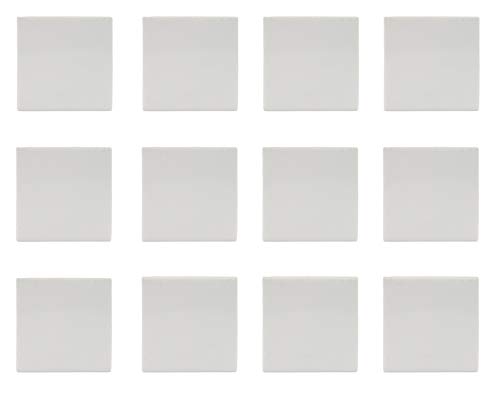 EISCO unglazed porcelain streak plates, 12 packDrag a mineral across the plate and the colour of its powder separates look-alikes such as hematite and magnetite.$19.99See it on Amazon
Price as of Nov 7, 2:15 PM PT · Details
Product prices and availability are accurate as of the date and time shown and are subject to change. Any price and availability information displayed on Amazon.com at the time of purchase will apply to the purchase of this product.
As an Amazon Associate we earn from qualifying purchases.
More quartz sites in South Carolina
See them all- Diamond Hill Mine61 mi · Quartz, amethyst, smoky quartz · Pay to dig
- Haile Gold Mine113 mi · Gold, pyrite, quartz
- King's Creek175 mi · Barite, chalcopyrite, galena
- Clearwater & Herse Valley170 mi · Amethyst, chalcedony, ilmenite
- Gaffney179 mi · Cassiterite, feldspar, kyanite
- Bowens River and tributaries185 mi · Corundum, garnet, sapphire
More sites in South Carolina
View all South Carolina sites- Anderson219 mi · Aquamarine, beryl, almandine garnet
- Fork of Big Creek & Little Saluda River162 mi · Amphibolite, chalcopyrite, chlorite
- Iva221 mi · Corundum, garnet, quartz
- Cherokee County182 mi · Barite, hematite, gem kyanite
- Paris Mt. State Park218 mi · Beryl, garnet, quartz
- Diamond Hill Mine215 mi · Amethyst, smoky quartz, beryl
New on the Market
 Primitive tool $200Stone Seller IncorporatedBrowse the Market
Found something here? List it for sale
About Myrtle Beach
Myrtle Beach isn't a rock-collecting site in the traditional sense — it's beachcombing for fossils, and it's genuinely good at it. Coastal South Carolina's offshore geology sheds fossilized shark teeth continuously, including teeth from extinct megalodon, and Myrtle Beach's public beaches are one of the more reliable places to find them washed up along the tideline. This is low-effort, family-friendly collecting: no tools, no permission needed, no digging — just walking the sand at low tide and scanning for small black triangular shapes. Don't expect agate or crystal here despite what a generic specimen list might suggest; the real draw, confirmed repeatedly across sources, is fossil shark teeth.
Getting there
Myrtle Beach is a well-known coastal city on South Carolina's Grand Strand. The stretch from roughly 50th Avenue North down to 10th Avenue South near the SkyWheel is specifically cited as productive for shark teeth — nearly three miles of public beach. Cherry Grove Beach, a bit further north, is also called out as a favorite among local shark-tooth hunters.
Collecting here
Walk the tideline at low tide, ideally right after a morning low, and look for small, shiny, black, triangular objects — shark teeth are usually fossilized to a dark color that stands out against the sand. No tools or digging needed; this is pure surface beachcombing. Guided tours (e.g., Fossils Forever) are available if you'd rather learn from someone experienced before going solo.
Know before you go
Myrtle Beach's public beaches are open, publicly accessible coastline — no permit is needed for casual beachcombing and shell/fossil collecting for personal use. As with any South Carolina beach, check local city ordinances for any specific rules (some coastal towns restrict removing large quantities of sand or shells commercially, though personal fossil finds are standard practice). No special safety concerns beyond normal beach awareness (tides, sun, currents).
Sources
- https://en.wikipedia.org/wiki/Myrtle_Beach,_South_Carolina — general city background; confirmed no fossil/shark tooth content in the article itself.
- https://discoversouthcarolina.com/articles/five-beaches-for-shark-tooth-sleuthing — official SC tourism source on shark tooth beaches including Myrtle Beach/Cherry Grove.
- https://www.oceancreek.com/blog/myrtle-beach-shark-teeth/ — specific beach stretch (50th Ave N to 10th Ave S), tideline search technique.
- https://www.fossilguy.com/sites/coastal-south-carolina/index.htm — regional fossil hunting context for coastal South Carolina, megalodon tooth age range and species diversity.
How hard is it?
- Getting there
- – / 5
- Finding anything
- – / 5
- Votes
- 0
Trip reports
No trip reports yet.
Questions about Myrtle Beach
Can you collect at Myrtle Beach?
It depends on who owns the land and whether a mining claim covers it. BLM land usually allows hand collecting for personal use, national parks allow none, and private land needs the owner’s permission. Pro members see the owner and any claims at this spot.
What minerals are found at Myrtle Beach?
Agate, chalcedony, quartz, fossilized shark teeth and megalodon teeth.
Can you find shark teeth at Myrtle Beach?
Yes — Myrtle Beach's public beaches, especially the stretch from 50th Avenue North to 10th Avenue South and Cherry Grove Beach, are well known for shark tooth beachcombing.
Can you find megalodon teeth at Myrtle Beach?
Yes, though they're much rarer than smaller modern shark teeth — megalodon teeth do wash up along South Carolina's coast including Myrtle Beach.
When is the best time to find shark teeth at Myrtle Beach?
Low tide, especially the morning low, is the best window, since it exposes more of the tideline where teeth collect.
Do I need a permit to collect shark teeth at Myrtle Beach?
No — casual beachcombing for shells and fossils for personal use on Myrtle Beach's public beaches doesn't require a permit.
Can you find agate or crystals at Myrtle Beach?
Not confirmed by any source reviewed — Myrtle Beach's documented draw is fossil shark teeth, not agate or crystal hunting.
Comments
This site is protected by reCAPTCHA and the Google Privacy Policy and Terms of Service apply.
Photos: Agate by James St. John, CC BY 2.0; Chalcedony by Kevin M. Gill, CC BY 4.0; Quartz by Robert M. Lavinsky, CC BY-SA 3.0.


