
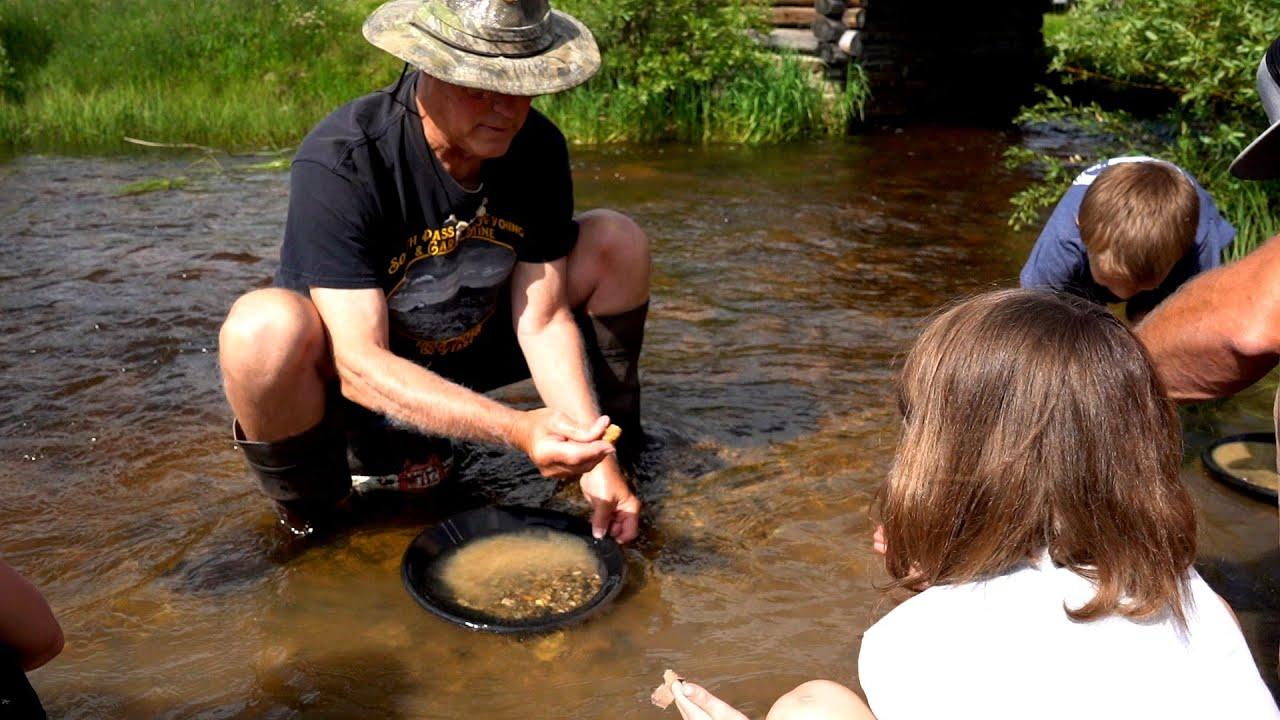
What Is a Pay-to-Dig Mine?
A pay-to-dig (fee-dig) mine is a privately operated site where you pay an admission fee, dig through pre-screened or native material, and keep every specimen you find. Fees typically range from $10–75 per person per day, depending on the mine and the target mineral.
Fee-dig operations fall into two categories:
- Native ground mines — You dig in the actual geological deposit. Finds are genuine and location-specific. These are the real deal.
- Salted/enriched mines — The operator purchases bulk rough from elsewhere and seeds it into sand or gravel for guests to "discover." Common at tourist-oriented operations. The gems are real, but they did not come from that mine.
Both have value, but know which type you are visiting. This guide focuses on native ground operations wherever possible.
Why Fee-Dig Mines Are Worth It
- Guaranteed access — No BLM research, no land-status questions, no locked gates. You pay, you dig.
- Equipment provided — Most mines supply screens, sluices, buckets, and shovels. You bring yourself.
- Expert help — Staff at good operations will identify your finds and explain the geology.
- Family-friendly — Kids can participate safely. Many mines have shaded screening areas and picnic tables.
- Keep everything — Your finds are yours. Some mines offer cutting and faceting services on-site.
Top Fee-Dig Mines by Region
Southeast
Crater of Diamonds State Park — Murfreesboro, Arkansas
Target mineral: Diamonds (white, yellow, brown, and rare colored)
Fee: $10 adults / $6 children (6–12)
Type: Native ground — a real diamond-bearing volcanic pipe (lamproite)
This is the only public diamond mine in the US. The 37-acre plowed field sits on the eroded surface of a 95-million-year-old volcanic crater. Over 33,100 diamonds have been found here since 1906, including the 40.23-carat Uncle Sam (largest diamond ever found in the US). Visitors find 1–2 diamonds per day on average across all guests.
What to expect: Surface searching after rain is the most productive method. Diamonds here appear as small, rounded, translucent pebbles — not the faceted gems you see in jewelry stores. Bring sunscreen. The field has no shade.
Cherokee Ruby & Sapphire Mine — Franklin, North Carolina
Target minerals: Rubies, sapphires, garnets
Fee: $25 per bucket (native material)
Type: Native ground — Corundum-bearing gravels from the Cowee Valley
The Cowee Valley in Macon County is one of the most productive corundum regions in the eastern US. Cherokee Ruby Mine offers buckets of native creek gravel that contain genuine rubies and sapphires. Most stones are small (under 1 carat rough) but occasional larger finds occur.
Emerald Hollow Mine — Hiddenite, North Carolina
Target minerals: Emeralds, hiddenite, sapphires, garnets, rutile, aquamarine
Fee: $15–30 depending on activity
Type: Native ground — The only emerald mine open to the public in the US
Located in Alexander County on the historic Adams Farm property. The pegmatite veins here produce genuine emeralds (green beryl colored by chromium). Most specimens are small and included, but the geology is real. Multiple activity options: sluicing, creeking, or digging in the mine cut.
Appalachian Region
Herkimer Diamond Mines — Herkimer County, New York
Target mineral: Herkimer "diamonds" (doubly-terminated quartz crystals)
Fee: $15–18 per person
Type: Native ground — Cambrian-age dolostone with vugs containing quartz crystals
Herkimer "diamonds" are not true diamonds. They are exceptionally clear, doubly-terminated quartz crystals that form in cavities (vugs) within 500-million-year-old dolostone. The clarity and crystal habit make them highly collectible. You will use hammers and chisels to break open dolostone to find crystal pockets.
Morefield Gem Mine — Amelia, Virginia
Target minerals: Amazonite, topaz, garnet, beryl, tantalite
Fee: $20–30 per person
Type: Native ground — Pegmatite mine
The Morefield Mine is a historic pegmatite operation in Amelia County. The dump piles contain a wide variety of pegmatite minerals. Amazonite (green feldspar) is the most common find, but collectors also recover topaz, garnet, and occasionally beryl.
Mountain West
Spectrum Sunstone Mines — Plush, Oregon
Target mineral: Oregon sunstone (gem-quality feldspar with copper inclusions)
Fee: $75–125 per day depending on location
Type: Native ground — Basalt-hosted labradorite feldspar deposits
Oregon sunstone is the state gemstone and one of the few gem-quality feldspars in the world. The copper inclusions create schiller (aventurescence) in shades of red, orange, green, and bicolor combinations. The mine is remote — 85 miles from the nearest town. Bring food, water, and a full tank of gas. High-clearance vehicle recommended.
Gem Mountain — Philipsburg, Montana
Target mineral: Sapphires (Montana sapphires in multiple colors)
Fee: $25–200 per bucket (varies by grade)
Type: Native ground — Alluvial sapphire gravels from Rock Creek
Montana produces more sapphires than any other US state. Gem Mountain offers pre-washed gravel from the Rock Creek sapphire deposit. You screen the material through a sluice and pick sapphires from the concentrate. Most stones are under 1 carat rough, but occasional 2–5 carat stones appear. Heat treatment by the on-site lab can improve color.
Southwest
Topaz Mountain — Delta, Utah
Target minerals: Topaz, red beryl, bixbyite, opal
Fee: Free (BLM public land)
Type: Public collecting — Not a fee-dig, but too important to omit
Topaz Mountain in Juab County is open BLM land. Sherry-colored topaz crystals occur in gas cavities within rhyolite volcanic rock. Break open rhyolite and check the vugs. The daily limit is 25 lbs plus one piece per 43 CFR 8365.1-5. No fee, but a high-clearance vehicle is required for the access road.
Arizona Fire Agate Mines
Several private claims near Safford and Kingman, Arizona offer fee-dig access to fire agate deposits. Availability changes seasonally. Check local rockhounding clubs (e.g., Old Pueblo Lapidary Club in Tucson) for current openings.
How to Choose a Fee-Dig Mine
| Factor | What to Look For | Red Flag |
|---|---|---|
| Material source | "Native ground" or "on-site deposit" | "Enriched" or "seeded" material |
| Reviews | Photos of actual finds posted by visitors | No visitor photos, only stock images |
| Geology explained | Staff can tell you the formation and mineral origin | Staff cannot explain where the gems come from |
| Pricing | Reasonable per-person or per-bucket fee | Charges per specimen found (incentivizes salting) |
| Equipment | Provided (screens, sluices, buckets) | Required to purchase on-site at inflated prices |
What to Bring
- Sunscreen and hat — Most screening areas are outdoors with limited shade.
- Water (plenty) — Sluicing is physical work in warm weather.
- Tweezers — For picking small gems from concentrate. The mine may provide these.
- Ziplock bags and paper towels — Separate and protect your finds.
- Change of clothes — You will get wet and muddy at sluice operations.
- Cash — Some rural mines do not accept cards.
Find Fee-Dig Sites on Our Map
Browse our interactive pay-to-dig site map for fee-dig operations across the US with GPS coordinates, pricing, and visitor reviews.
Frequently Asked Questions
At native ground mines, yes — the gems formed in the geological deposit you are digging. At salted/enriched operations, the gems are real minerals but were imported from elsewhere and placed in the screening material. Both sell real stones; the difference is provenance.
At most fee-dig mines, yes. Your admission fee covers unlimited collecting. Some mines charge per bucket of material instead of per person, so you pay for the amount of material you screen. Check each mine's policy before visiting.
Most are family-friendly. Sluice-and-screen operations are ideal for children — no heavy tools required, immediate results, and the thrill of finding a gem. Check age policies; some mines offer reduced rates for children under 12.