
![How to Find Geodes in Colorado [2026 Guide] - Best Locations & Tips](/_next/image?url=https%3A%2F%2Fstorage.googleapis.com%2Frockhounding-public%2Fsite-media%2Fimages%2Farticles%2FHow%2520to%2520Find%2520Geodes%2520in%2520Colorado.jpg&w=3840&q=75)
Colorado is one of the best rockhounding states in the U.S. for geodes. Thanks to its volcanic past, mineral-rich rivers, and ancient hydrothermal activity, the state hides countless crystal-filled nodules waiting to be discovered. Some are small quartz-lined pockets. Others, especially in famous sites like the Woodrow Beds, can weigh over 20 pounds.
Whether you're a first-time rockhound, a family planning a weekend dig, or a serious collector chasing premium amethyst, this guide will show you exactly how to find geodes in Colorado in 2026. You'll learn where to go, what tools to bring, how to recognize geodes in the field, how to open them safely, and the legal rules you must follow.
What Are Geodes?
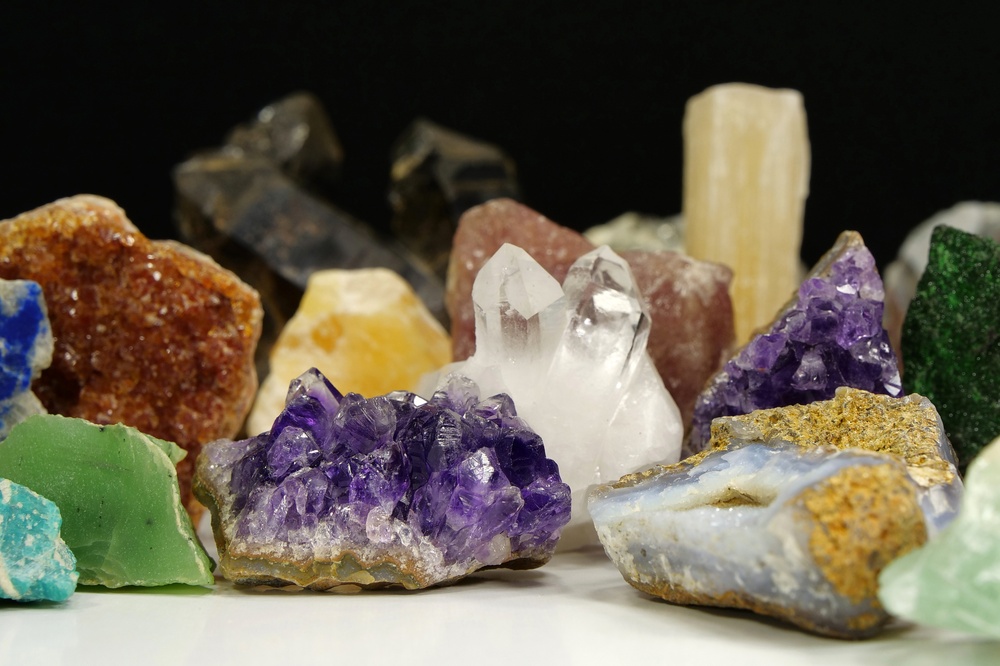
A geode is a hollow rock nodule lined with crystals. They form when mineral-rich water flows into cavities inside volcanic or sedimentary rock. Over thousands to millions of years, dissolved silica and other minerals slowly crystallize along the inner walls. When the outer shell erodes free, a rough, lumpy stone hides a glittering interior.
Colorado geodes are often found in clusters in different sizes; however, the rocks stand out for what's inside. When you crack open a geode, you'll find shiny and sparkling crystals in various colors.
In Colorado, most geodes contain:
- Clear or milky quartz
- Purple amethyst
- Chalcedony or agate linings
- Occasionally, calcite or barite
From the outside, geodes often look plain, dusty, rounded, and lighter than solid rock. Inside, they may hold anything from tiny crystal druse to large facetable points.
Polished Colorado geodes commonly sell for $5 to $500+, depending on size, crystal quality, and rarity. But for most rockhounds, the real reward is opening one you found yourself.
How to Identify and Find Geodes in Colorado
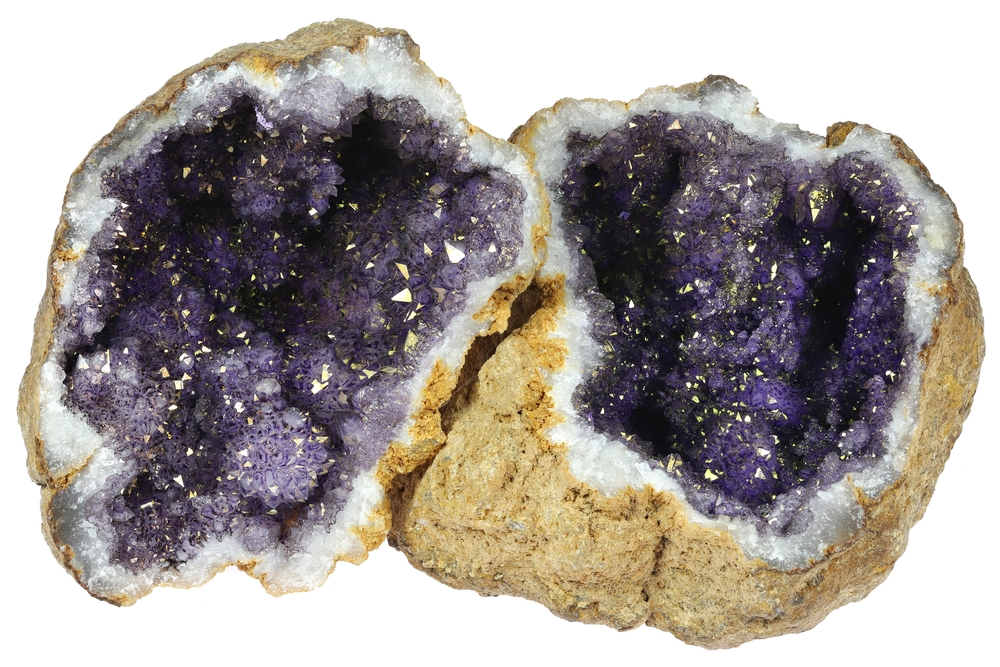
Not every round rock you find while rockhounding is a geode, but there are reliable signs that help you spot the real treasures.
In the wild, geodes often appear as rounded or egg-shaped nodules that stand out from surrounding rocks. They usually feel lighter than expected for their size because the interior is hollow or crystal-lined. The outer shell is typically rough, pitted, or bumpy, rather than smooth. Occasionally, you may even notice tiny crystal openings on the surface, a clear hint that something sparkly waits inside.
A simple field test can help confirm if it is a geode:
- Gently shake the rock near your ear. Some geodes rattle if loose crystals have broken free inside.
- Spray the surface with water to reveal crystal glints through small openings.
- Most importantly, remember that the best geodes often look completely ordinary on the outside.
How to Crack Geodes Safely
Opening a geode is part science and part thrill. But safety and technique matter if you want clean crystal reveals. Here's a step-by-step process to crack geodes safely when you find one:
- Start by wearing safety glasses and gloves to protect yourself from sharp fragments.
- Place the geode on a stable surface, then use a chisel to score a line around its middle.
- Tap gently along the scored line with a chisel at 45° angle, increasing force gradually until the geode splits open.
- Secure it in a towel, or wrap it around soft clothes if driving home.
Also, avoid smashing geodes randomly as uncontrolled force often shatters the crystals inside. For larger or high-value specimens, using a tile saw or lapidary trim saw produces the cleanest, most professional results.
What to Do After Finding a Geode
Once you've opened your geode, a little care will make your find shine.
First, rinse off surface dirt with water. If calcite deposits cover the crystals, soaking the geode in vinegar helps dissolve them. A soft brush and water can remove stubborn clay without damaging delicate crystal points.
Most collectors prefer leaving crystal interiors natural, but you can polish the outer shell if desired. Broken fragments can also be smoothed in a rock tumbler.
Finally, decide whether to display or sell your finds. Small geodes typically sell for $20 to $200, while premium amethyst clusters can fetch significantly higher prices. Many rockhounds simply take pride in displaying their discoveries at home.
Read More: Rock Cleaning and Polishing Techniques for Winter
Top 6 Sites to Find Geodes in Colorado
Colorado is one of the best states in the U.S. for geode hunting thanks to its volcanic history, sedimentary layers, and active erosion. Geodes here commonly contain quartz, amethyst, chalcedony, jasper, and agate.
Most productive sites to find geodes in Colorado are usually in volcanic or sedimentary host rock, creek beds, or eroded slopes, and snowmelt exposure.
Below are the most reliable and well-known locations, from beginner-friendly spots to expert-level digs.
Wolf Creek Pass (Mineral County)
Wolf Creek Pass is one of Colorado's most accessible and consistent amethyst geode locations. Nodules weather out of volcanic rock and collect in roadside gravels and stream beds around Wolf Creek Pass.
Here you will find Quartz and amethyst geodes, typically 3–5 inches. The best time to visit is in the spring after snowmelt. Hunt early morning before tourist traffic, and wear high-visibility clothing and stay well off the highway.
You can access Wolf Creek via the US Hwy 285 S, surrounded by its rugged terrain and towering peaks.
Whitewater (Mesa County, near Grand Junction)
Dry gullies and clay slopes east of Whitewater, near Grand Junction, produce chalcedony and quartz geodes, along with occasional marine fossils.
A short walk from the parking area leads to digging zones where soft ground makes collecting relatively easy. After rainfall, nodules often become more visible in clay layers, and careful sifting can produce consistent finds. This location is ideal for beginners who want steady results without heavy tools.
Woodrow Geode Beds (Rio Blanco County)
The Woodrow Geode Beds in Rio Blanco County are Colorado's most famous geode field. This remote BLM area produces massive quartz-lined geodes, some weighing many pounds.
Access requires rough-road driving, and digging is often deep, making this an advanced-level destination. However, serious collectors travel from across the country because of the size and quality of the specimens found here.
Always confirm BLM collecting rules before digging in this region.
Houselog Creek (Saguache County)
Houselog Creek in Saguache County offers an easier and more relaxed collecting experience. Jasper- and agate-filled geodes naturally gather in creek gravels, so no heavy digging is needed. Walking the stream bed and scanning gravel bars after runoff season often yields colorful nodules.
It's an excellent family-friendly location and a good introduction to field collecting, focusing on downstream bends where heavier nodules settle.
Felch Creek (Fremont County)
Felch Creek in Fremont County is another productive creek site where quartz geodes, jasper, and agate appear in gravel beds and weathered slopes. The terrain is accessible, making it suitable for casual collectors.
Find geodes here by gently shaking suspected nodules; a faint internal rattle can indicate crystals inside.
Garden Park (Canon City Area)
Garden Park near Canon City is best known for dinosaur fossils, but small amethyst and quartz geodes also appear in quarry spoil piles. Many nodules are already loosened from the host rock, so collecting often requires minimal effort.
This site combines easy access with interesting geology, making it popular for beginners.
Book Cliffs (Mesa County)
The Book Cliffs in Mesa County offer a more exploratory experience. Erosion at the base of sedimentary cliff layers exposes scattered quartz and chalcedony geodes. Moderate hiking is required, but searching below exposed rock faces after rainfall can be productive.
Beyond these named locations, geodes can often be found in creek beds, lake shores, road cuts, old quarries, and at the base of exposed sedimentary or volcanic cliffs throughout Colorado. Water erosion is the key force that reveals hidden nodules, so patience and careful observation are essential if you want to find geodes here.
Related Read: Places to Find Geodes Near Me: A Comprehensive Guide to Geode Hunting in the US
Legal Rules for Rockhounding in Colorado
Colorado is a great place to explore rocks, minerals, and gemstones, but rockhounding comes with legal responsibilities to protect public lands and resources.
In Colorado, public lands like those managed by the Bureau of Land Management (BLM) and many National Forest System areas generally allow recreational rock collecting for personal use. On most BLM lands, you can take a reasonable amount of rocks, minerals, petrified wood, and common fossils as long as it is for personal, non-commercial use. Federal rules prohibit selling what you collect unless you obtain a special permit or claim.
Key Rules You Must Follow:
- Quantity limits: On most BLM lands, you can collect up to 25 pounds of material plus one specimen per person per day, with an annual cap (often around 250 pounds per person for materials like petrified wood).
- Non-commercial use only: You may not sell or barter the rocks and minerals you collect from public land.
- Hand tools only: Use of motorized or mechanized digging equipment is prohibited.
- No active mining claims: Do not collect on land with an active mining claim without written permission from the claim owner.
- Respect sensitive areas: Rockhounding is generally not allowed in National Parks, designated wilderness areas, monuments, or historical sites. These areas are protected, and collecting there can lead to fines.
Other updates and important restrictions to note include:
- Seasonal fire restrictions: During dry months, fire bans may limit access or require extra precautions.
- Drone restrictions: Some sensitive wildlife and habitat areas now prohibit drone use near collecting zones to protect wildlife and other visitors.
- Increased enforcement: Popular sites have seen more frequent ranger patrols, so it's important to follow all rules closely.
Best Practices Checklist
Before heading out to find geodes in Colorado, follow these essential guidelines to stay legal and ethical:
- Verify land status: Use a BLM/USFS map to confirm public access, active claims, or closures before digging for geodes.
- Secure private land permission: Always obtain written approval from landowners; collecting without permission is illegal.
- Clean Up After: Ensure you pack out all your trash, refill the dig holes, and minimize impact so others too can enjoy the sites.
- Check fees & permits: Budget for state park entry ($10/day typical) or special recreation permits where required.
- Maintain Safety: Always strive to stay safe and respectful while you are rockhounding. Avoid loose cliffs, unstable slopes, and rattlesnake habitats. Also, hunt with a buddy, or share your route to ensure safety.
Final Thoughts
Finding geodes in Colorado is an adventure owing to the state's volcanic history and rugged terrain, which hide crystal treasures that reward those willing to explore creeks, cliffs, and high mountain passes. Some days, you may walk away with dusty nodules. Other days, you'll crack one open to reveal a burst of quartz or amethyst that's been growing for millions of years.
Whether you're hunting roadside gravels at Wolf Creek Pass, digging deep at the Woodrow Beds, or strolling creek banks with family, the experience is always memorable. Follow the laws, respect the land, take your time, and sharpen your eye. The more you practice, the better your finds become.
Read More: Colorado Rockhounding Map: Locations Near Me & Sites (Free)
Frequently Asked Questions (FAQs)
Spring and fall offer the best conditions with cooler weather and fresh erosion after snowmelt or rain.
On most BLM land, small-scale personal collecting is allowed without a permit. Always check site rules.
Specimens over 20 pounds have been reported from the Woodrow Beds.
Casual selling of personal finds is usually allowed, but commercial-scale collection requires permits.